Physical Address
304 North Cardinal St.
Dorchester Center, MA 02124
Physical Address
304 North Cardinal St.
Dorchester Center, MA 02124


Last year, a pharma partner asked if their new lung cancer drug worked better in smokers vs. non-smokers.
Instead of running two separate studies, we used a lung cancer tissue array with smoking history built in.
Within weeks, they had clear data to adjust trial design.
That’s the power of tissue arrays.
Start with your research question: Don’t just buy the biggest array—choose by cancer type, stage, or mutation
Validate your antibodies: Not every antibody works on FFPE tissue; always test first
Plan for follow-up studies: Arrays give you direction, but you’ll need deeper validation later
Think clinical data: Arrays with survival or treatment history add huge value
👉 “Learn more in our tissue procurement guide.”
Q1: Can tissue arrays replace clinical trials?
No. They guide trial design but never replace patient testing.
Q2: What’s the difference between tissue arrays and tissue sections?
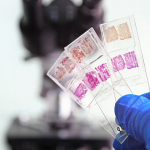
Sections are single samples. Arrays combine dozens to hundreds on one slide.
Q3: Do tissue arrays include patient history?
Some do. The best ones include age, stage, survival, and treatment info.
Q4: How do I choose the right tissue array?
Match it to your drug’s target. If you’re testing PD-L1, pick arrays with immune checkpoint data.
Tissue arrays aren’t just lab tools.
They’re accelerators for drug discovery and enablers of precision medicine.
If you’re serious about drug development, you should be looking at tissue array in drug development and precision medicine.
👉Dive deeper into our molecular detection panels.