Physical Address
304 North Cardinal St.
Dorchester Center, MA 02124
Physical Address
304 North Cardinal St.
Dorchester Center, MA 02124

In the vast and often bewildering landscape of cancer research, the individual tumor has long been studied as a solitary mountain—unique, formidable, and requiring a full expedition to understand. While this approach has yielded invaluable insights, it has also been time-consuming and resource-intensive. Today, a revolutionary tool is changing the topography of oncology: the Tumor Tissue Microarray (TMA). But to truly grasp its impact, we must stop seeing it as a mere slide with dots and start seeing it for what it really is—a meticulously constructed metropolis of malignancy, where every citizen has a story to tell.
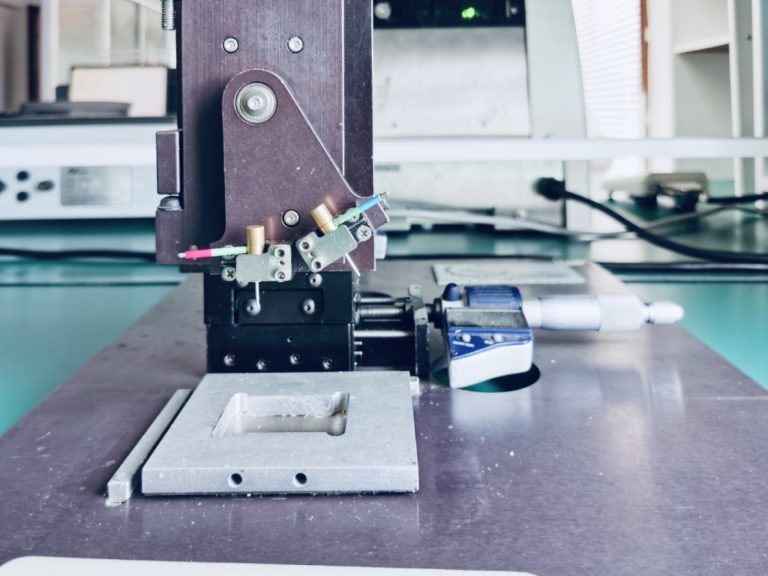
Imagine a city planner tasked with understanding the social dynamics of an entire nation. Instead of visiting every town and village individually, they create a model city, a microcosm where each neighborhood represents a different region, and each house is a perfect replica of a real family dwelling. This is the essence of a TMA. A TMA is a paraffin block, the bedrock of this city, into which hundreds of tiny, cylindrical cores are extracted from individual donor tumor blocks. Each core, typically less than a millimeter in diameter, is a citizen—a condensed representation of a patient’s disease, complete with its unique cellular architecture, genetic mutations, and protein expressions. These citizens are arranged in a precise grid, a city plan that allows for the simultaneous interrogation of an entire population under identical experimental conditions.tissue microarray
The power of this “metropolis” lies in its unprecedented efficiency and comparative capacity. A single experiment, such as staining for a potential biomarker, can be performed across the entire TMA slide. The result is not a single data point, but a city-wide census. Researchers can walk the streets of this microscopic city and observe how a specific protein is expressed in lung cancer versus breast cancer, in early-stage tumors versus late-stage metastases, or in tumors that responded to therapy versus those that did not. This comparative view, which would have required hundreds of individual slides and months of work, is now achieved in a single afternoon. It transforms the search for cancer biomarkers from a series of isolated expeditions into a comprehensive, high-resolution aerial survey.
Furthermore, this city is not static; it is a living archive. The TMA preserves a tangible, physical record of a patient’s disease at a specific point in time. As new technologies emerge—be it advanced imaging, multiplexed immunofluorescence, or spatial transcriptomics—this same city can be revisited and re-interrogated. Future generations of scientists can apply new analytical tools to this fixed cohort, asking questions we haven’t even thought of yet. The TMA, therefore, is not just an experiment; it’s a time capsule, a legacy for future discovery.
In conclusion, the tumor tissue microarray is far more than a technical innovation. It is a conceptual paradigm shift. By compressing the heterogeneity of human cancer into a single, analyzable format, it has built a metropolis where patterns emerge from the noise, and the collective voice of hundreds of patients can be heard at once. It has redrawn the map of cancer research, replacing a scattered collection of isolated peaks with a vibrant, interconnected cityscape, accelerating our journey towards understanding and ultimately conquering this complex disease.