Physical Address
304 North Cardinal St.
Dorchester Center, MA 02124
Physical Address
304 North Cardinal St.
Dorchester Center, MA 02124

On the surface, the answer to this question is standard textbook material: FFPE tissue blocks are used for diagnosing diseases like cancer via histological examination. However, to limit their utility to mere diagnosis is to ignore the revolutionary role these blocks play as “time machines” in biomedical research. FFPE tissue blocks are the bedrock of retrospective clinical analysis, serving as the critical link between a patient’s medical history and future therapeutic breakthroughs. Their usage spans a spectrum that intersects pathology, proteomics, genomics, and the emerging field of spatial biology.
The most immediate and vital use of the FFPE block is, of course, clinical diagnosis and archiving. When a surgeon removes a tumor, the FFPE block becomes the legal and medical “source of truth.” It allows pathologists to cut thin sections, stain them with dyes like Hematoxylin and Eosin (H&E), and determine the stage and grade of the cancer. But unlike a photograph which captures only a split second, the FFPE block captures a permanent reservoir of the disease. Because the block is durable and storable at room temperature, it allows for secondary consultations. If a patient moves to a different hospital or seeks a second opinion, the physical block can be shipped, allowing a new pathologist to look at the exact same tissue years later. This durability is irreplaceable; fresh frozen tissue is expensive and logistically difficult to transport, making FFPE the global standard for medical record-keeping in solid tissue form.
Beyond the microscope, a major and evolving use of FFPE blocks is in immunohistochemistry (IHC) and biomarker discovery. Once a diagnosis is made, physicians often need to know the “address” of the disease—specific proteins or receptors on the cell surface that act as targets for drugs. FFPE sections are treated with antibodies that stain these specific targets (such as HER2 in breast cancer or PD-L1 in immunotherapy). The block is essential here because it allows for repeated staining; if a new biomarker is discovered five years from now, the archived block can be pulled from the shelf and tested without needing a new surgery. This transforms the block from a static diagnostic tool into a dynamic platform for predictive medicine.
In the modern era, perhaps the most fascinating use of FFPE blocks is in molecular archeology. Scientists are increasingly mining these archived blocks for DNA and RNA to perform Next-Generation Sequencing (NGS). This application is unique because it utilizes the “time-travel” aspect of FFPE. Researchers can collect blocks from patients treated 10 or 20 years ago, sequence their DNA, and correlate it with their long-term survival outcomes. This retrospective power is something prospective studies (which take years to complete) cannot match. It allows us to ask, “What genetic mutations in 2005 predicted survival in 2015?” The FFPE block is the only vessel that can answer this.
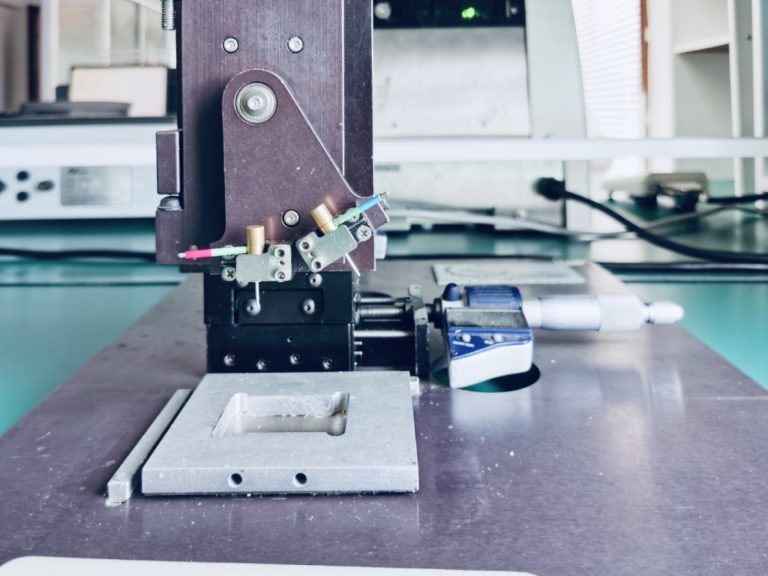
Furthermore, FFPE blocks are the foundational units for Tissue Microarrays (TMAs). In high-throughput drug discovery, researchers need to test a potential drug on hundreds of different tumor types simultaneously. By punching tiny cores from hundreds of different FFPE blocks and arraying them into a single “master block,” scientists can screen drugs against a massive diversity of tissues on a single glass slide. This efficiency accelerates the pace of pharmaceutical development significantly.
Finally, we are seeing a surge in the use of FFPE for spatial transcriptomics. This cutting-edge technique maps where genes are active within the tissue architecture. Because FFPE preserves the exact spatial location of cells—unlike homogenized tissue samples which lose all structural context—it allows researchers to see the “ecosystem” of the tumor, understanding how cancer cells interact with immune cells in their precise geographical location.
In summary, FFPE tissue blocks are used for far more than just looking at cells under a microscope. They are the permanent physical database of human disease. They serve as the bridge for retrospective analysis, the canvas for predictive biomarker testing, and the fuel for high-throughput discovery technologies. They are the silent witnesses to medical history, constantly being re-interrogated as our scientific tools become more sophisticated.