Physical Address
304 North Cardinal St.
Dorchester Center, MA 02124
Physical Address
304 North Cardinal St.
Dorchester Center, MA 02124

Imagine, if you will, a library unlike any other. Its shelves do not hold books of parchment and ink, but paraffin blocks embedding the very fabric of life and its corruption. Each volume is a Tissue Microarray (TMA), a condensed anthology of stories, a single page from a hundred different patients, bound together not by narrative, but by a shared affliction. This is the Cosmic Library of Cancer, and its curators are the researchers seeking to decipher its cryptic texts.
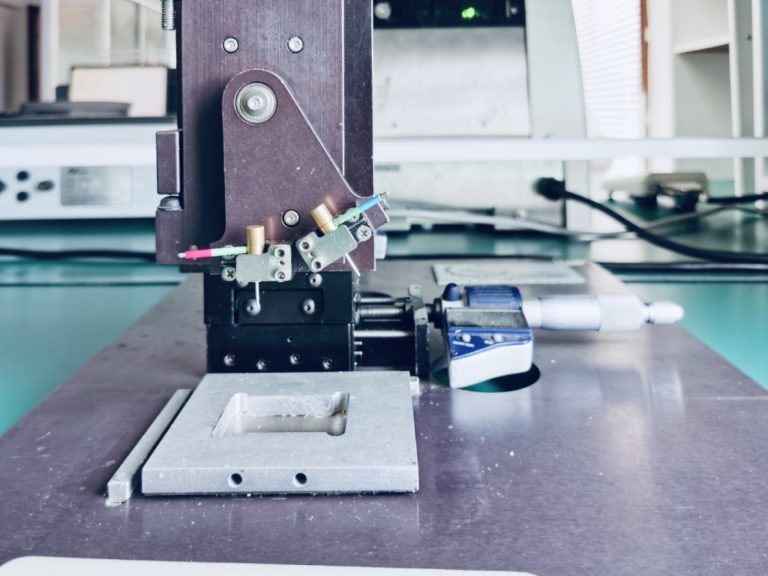
Each TMA is a meticulously crafted codex. The process begins with the “source manuscripts”—donor tissue blocks, each a unique, sprawling epic of a single patient’s disease. A specialized needle, a precise and unerring scribe’s stylus, hollows out minuscule cores, each just a few millimeters wide, from these original tomes. These are the “paragraphs” or “verses,” extracted from the most critical passages of the disease’s story—the tumor’s heart, its invasive front, its surrounding landscape of normalcy. These hundred tiny cylinders are then arrayed in a new, orderly grid within a recipient paraffin block, a single, manageable volume. This act of consolidation is revolutionary; it transforms a chaotic, continent-spanning archive of individual narratives into a single, searchable chapter.tissue bank tissue section
To read these books is to engage in a form of high-stakes exegesis. A single slide, cut from this master block, presents a constellation of cellular worlds. The “ink” used to reveal the text is not black but a palette of antibodies and stains, each designed to highlight a specific character in the story—a protein, a mutation, a marker of cellular aggression. Under the microscope, the researcher becomes a scholar, a cryptographer. They are not merely looking at cells; they are translating a language written in the grammar of shape, size, and chromosomal chaos. The TMA allows for a side-by-side comparison, a chorus of a hundred voices singing the same song of malignancy, each with its own unique timbre and key. One can ask a single question—“Do you express protein X?”—and receive a hundred simultaneous answers, a statistical revelation that would be impossible to glean from reading the books one by one.
The true genius of this library lies in its power to find patterns in the noise. A lone anomaly in one patient’s tissue might be a mere typo. But when that same “word” appears repeatedly across dozens of samples on an array, it becomes a motif, a critical clue to the cancer’s underlying plot. It is here that the TMA serves as the library’s ultimate search engine, enabling the discovery of biomarkers—predictors of outcome, flags of vulnerability, harbingers of resistance. It is a tool for pattern recognition on a biological scale, transforming the overwhelming complexity of cancer into a structured, queryable database of human experience.
Ultimately, the Cosmic Library of Cancer is more than a repository of disease; it is a testament to the lives contained within each core. Every tiny speck of tissue on that slide represents a person, a struggle, a journey through a landscape of fear and hope. By reading these collective stories, by understanding the language they speak, we are not just passive observers. We are authors, attempting to write a new ending to the story, not with ink, but with insight, intervention, and, one day, a cure for the entire, tragic series.