Physical Address
304 North Cardinal St.
Dorchester Center, MA 02124
Physical Address
304 North Cardinal St.
Dorchester Center, MA 02124

The pancreas, a deep-seated and unassuming organ, is a marvel of biological engineering. It functions as a dual-purpose factory: its endocrine cells meticulously calibrate blood sugar with insulin and glucagon, while its exocrine cells produce a potent cocktail of digestive enzymes. It is within this exocrine division, the industrial heart of the pancreas, that two starkly different cancers can arise, each telling a unique story of cellular rebellion. While pancreatic ductal adenocarcinoma (PDAC) is a notorious and familiar villain, its rare cousin, acinar cell carcinoma (ACC), presents a profoundly distinct clinical and biological narrative. Understanding their divergence is not just an academic exercise; it is the key to unlocking more precise diagnostics and effective therapies.
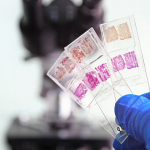
The fundamental difference between these two cancers lies in their cell of origin—the specific “department” in the pancreatic factory where the mutational spark ignites. PDAC, accounting for over 90% of pancreatic cancers, originates from the cells lining the pancreatic ducts. These ducts are the factory’s plumbing system, responsible for transporting digestive enzymes from the production site to the small intestine. When these ductal cells turn malignant, they form aggressive, gland-like structures that relentlessly clog and invade this critical infrastructure. In contrast, ACC arises from the acinar cells, the factory’s “workbenches” where these powerful enzymes are actually synthesized and stored. An ACC tumor is, therefore, a rebellion of the producers themselves, forming solid, nested patterns of cells that still bear a faint, twisted resemblance to their enzyme-producing heritage.tissue array
This divergent origin dictates their molecular blueprints. PDAC is characterized by a near-universal and devastatingly effective mutation in the KRAS gene, an oncogene that acts like a stuck accelerator, driving relentless proliferation. This is typically followed by mutations in tumor suppressor genes like TP53 and CDKN2A, which disable the cell’s braking systems. The result is a genetically chaotic and highly adaptable tumor. ACC, however, speaks a different molecular language. While it can also harbor KRAS mutations, they are far less common. Instead, ACCs are frequently associated with alterations in the APC/β-catenin pathway, a key regulator of cell growth, or with rearrangements involving the BRAF gene. This distinct genetic landscape means that the internal circuitry driving an ACC is fundamentally different from that of a PDAC, rendering it a unique therapeutic target.
Clinically, these differences manifest in subtle but important ways. PDAC is a master of stealth, its symptoms often vague and appearing late. The classic presentation of painless jaundice occurs when a tumor in the head of the pancreas blocks the common bile duct, a sign of advanced disease. Its proclivity for early perineural invasion explains the severe, unrelenting back pain that plagues patients. ACC, while still serious, can sometimes present with clues linked to its acinar cell origin. The overproduction or leakage of digestive enzymes can lead to rare but specific syndromes, such as polyarthralgia (joint pain) or subcutaneous fat necrosis, where enzymes literally digest fat deposits under the skin. While not always present, these “exocrine” symptoms are a red flag that sets ACC apart.
Finally, their prognoses and treatment responses diverge. PDAC remains one of the most lethal of all solid tumors, with a five-year survival rate stubbornly in the low single digits. Its resistance to chemotherapy and radiotherapy is legendary. ACC, while still a formidable adversary, carries a relatively better prognosis, with five-year survival rates ranging from 20% to 50%, particularly if the disease is localized and surgically resectable. This suggests a less inherently aggressive biology. Furthermore, there is growing evidence that ACC may be more sensitive to certain chemotherapy regimens than PDAC, particularly platinum-based agents, hinting at exploitable weaknesses like DNA repair deficiencies.
In conclusion, to lump PDAC and ACC together under the single umbrella of “pancreatic cancer” is a dangerous oversimplification. They are distinct diseases born from different cells, driven by different mutations, and exhibiting unique clinical behaviors. Recognizing the tale of these two tumors—one a crisis of the plumbing, the other a rebellion on the factory floor—is paramount. It compels us to move beyond a one-size-fits-all approach and towards a future of precision medicine, where treatment is tailored not just to the organ, but to the very identity of the cancer cell itself.